Mapping Bill Due Dates to Your Paychecks: A Practical Walkthrough
When six bills land in the same week your paycheck does not, that is a timing problem — and timing problems have mechanical fixes.
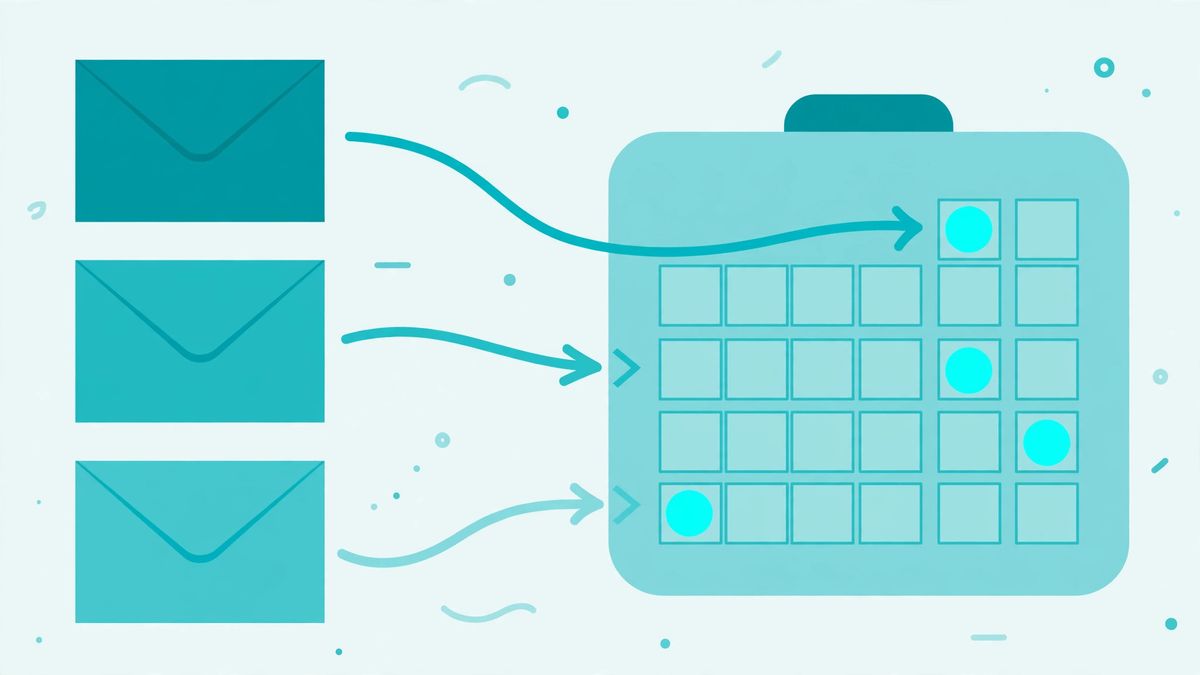
Here is a pattern that ruins months: the rent, the car payment, the credit card, and the phone bill all land within the same ten days — the ten days right before payday. The money exists. It just exists at the wrong time. Late fees, overdrafts, and a week of financial claustrophobia follow, and none of it had anything to do with how much you earn.
Bill due dates feel fixed, but most of them are not. They are defaults the biller chose, and in many cases you can move them. Mapping every bill to a specific paycheck — and relocating the outliers — is one of the highest-leverage hours in personal finance. Here is the full walkthrough.
Why bills bunch up (and why willpower cannot fix it)
Due dates cluster for boring historical reasons: landlords like the 1st, lenders default to month-end, and everything else landed wherever it landed when you signed up. Your paydays, meanwhile, follow your employer's rhythm. When those two rhythms collide, no amount of budgeting discipline helps — the cash flow physics are simply wrong. People blame themselves for a structural problem, then pay late fees as a tax on a calendar nobody designed.
The fix most people do not know: you can move due dates
The Consumer Financial Protection Bureau notes that many billers — credit card issuers, utilities, auto lenders, even some landlords — will change your payment due date on request. It is usually one phone call or one chat session, and it is free. A useful script:
"Hi, I would like to change my payment due date to the 8th of each month to align with my pay schedule. Is that possible?"
If the first rep says no, ask whether a supervisor can approve it, or check the biller's website — many now offer due-date changes as a self-service option. Note the one caveat: changing a due date can shift one billing cycle (you might pay slightly early or late once during the transition), so confirm the change in writing and watch the first new statement.
Step 1: Map your paydays
Write down your actual pay dates for the next three months — not "twice a month" in the abstract, the real dates. If you are paid bi-weekly, mark the two months a year with a third paycheck; we will put those to work later. If your household has two incomes on different schedules, map both. This calendar is the foundation everything else sits on.
Step 2: List every bill with its due date and amount
Full inventory, no exceptions: rent or mortgage, utilities, phone, internet, insurance, car payment, credit cards, subscriptions, loan payments, childcare. For each, note the amount (or typical range for variable bills) and the current due date. Most people find twelve to twenty entries. Seeing them all in one list is usually the first revelation — the pileup becomes visible instead of just felt.
Step 3: Assign each bill to a paycheck
Now draw the map. The rule: each bill is paid from the paycheck that arrives at least a few days before its due date. Work through the list:
- Paycheck A (the 1st): rent, electric, internet — the big fixed bills due early in the month.
- Paycheck B (the 15th): car payment, credit cards, subscriptions, insurance.
- Anything left unassigned, or assigned to a paycheck that cannot cover it, is an outlier — flag it.
A concrete example: with $2,200 arriving on the 1st and $2,200 on the 15th, you might assign $1,700 of early-month bills to paycheck A and $1,400 of later bills to paycheck B, leaving breathing room in both. The goal is not perfect balance — it is that no single paycheck is ever asked to cover more than it holds.
Step 4: Move the outliers, one call at a time
For each flagged bill, call the biller and request a due date inside its assigned paycheck's window. Practical tips:
- One change per billing cycle. Moving three dates at once makes it easy to double-pay or miss one in the transition. Space them out.
- Aim for the week after payday, not the day after. A few days of buffer absorbs weekends, holidays, and slow direct deposits.
- Get confirmation in writing — an email or a note in the chat transcript — and check the next statement to confirm the new date stuck.
- Some bills cannot move (rent is the classic). For those, move everything around them instead.
The bi-weekly bonus: third-paycheck months
If you are paid every two weeks, two months a year bring a third paycheck — money your monthly budget never counted on. Pre-assign these windfalls before lifestyle absorbs them: top up the emergency fund, feed sinking funds, or make an extra debt payment. Decide the rule now, while the money is still theoretical. People who plan the third paycheck in advance keep it; people who do not, spend it without noticing.
Keep the map alive
The map rots quietly if you never look at it again. Two habits keep it working:
- New bills get assigned immediately. The day you sign up for anything recurring, it goes on the map under a specific paycheck. No orphans.
- A ten-minute monthly check. Glance at the map when you pay bills: did anything drift? Any new outlier? Annual review before open enrollment or lease renewal season.
An hour of setup, one phone call per outlier, and the end-of-month pileup is gone for good. Your income did not change. Your discipline did not change. Only the calendar changed — which tells you how much of "money stress" was really just bad timing.